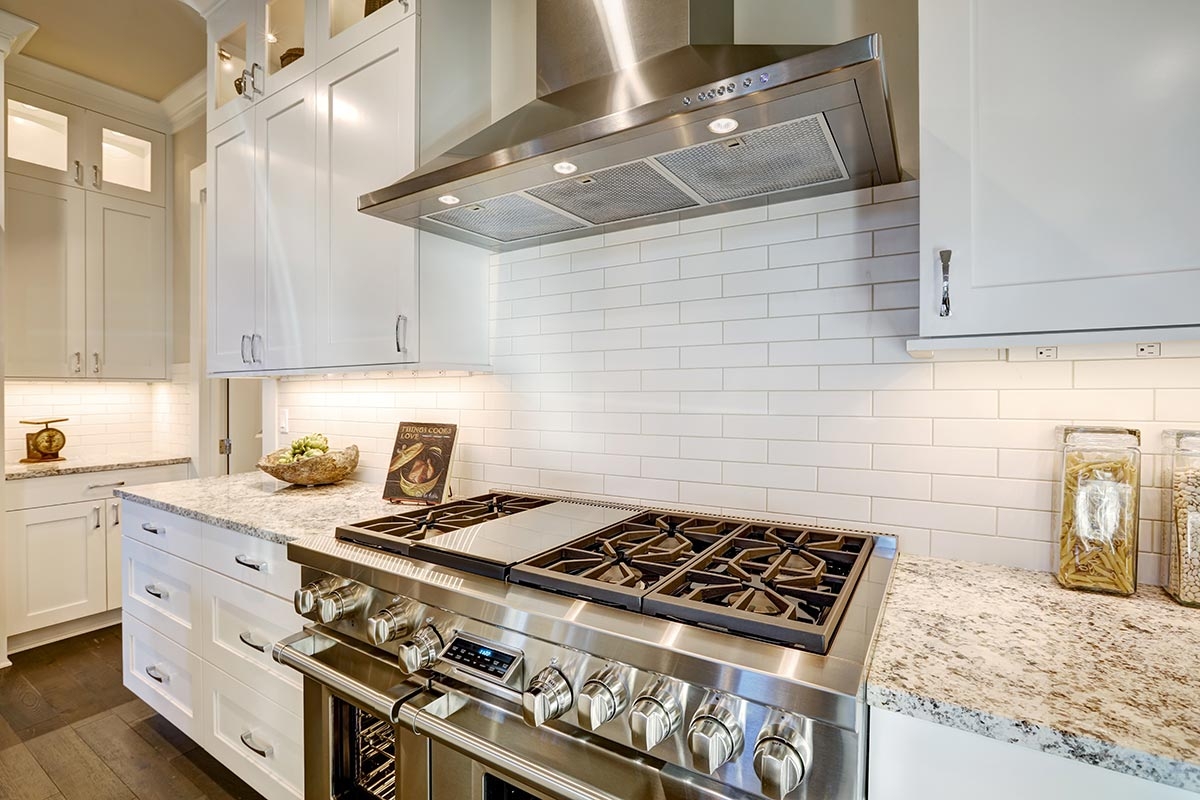
Countertops and backsplashes are two of the most visible surfaces in a kitchen. When they work well together, the entire room feels balanced and intentional. When the colors, patterns, or undertones compete, even high-quality materials can feel disconnected.
Your countertop and backsplash do not need to match exactly. In most kitchens, the better approach is to let one surface become the main visual feature while the other provides support.
Choose the Countertop Before the Backsplash
Countertops are usually a larger investment, and the available colors and patterns may be limited by slab inventory. This is especially true with natural stone, where every slab is different. Backsplash materials come in a much wider range of colors, sizes, textures, and price ranges, so it is easier to find a backsplash that works with an existing countertop than the reverse.
Decide Which Surface Will Be the Main Feature
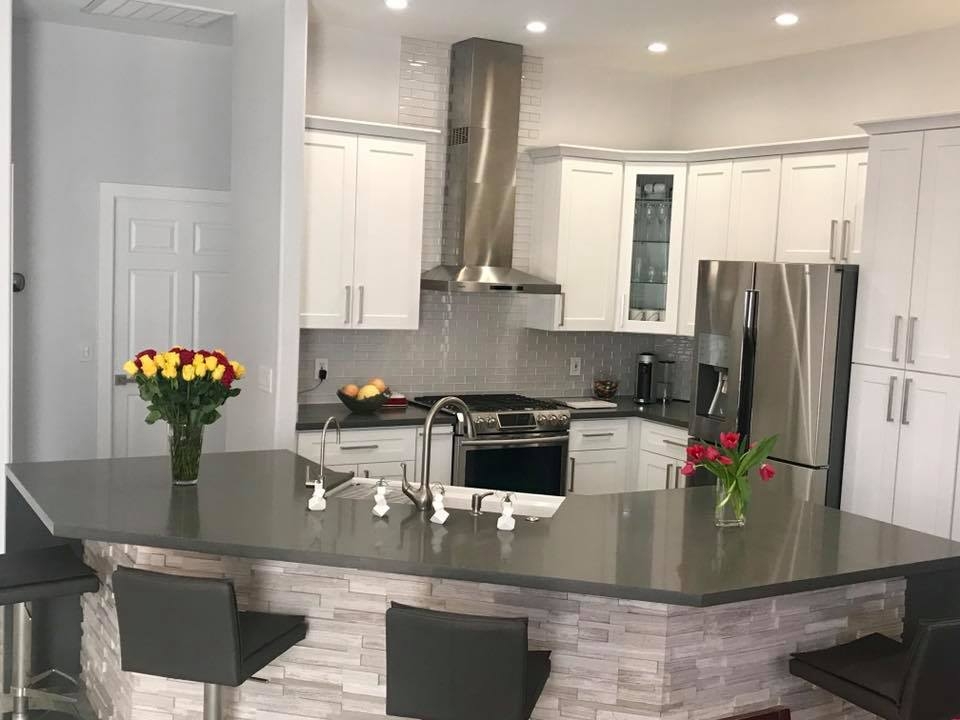
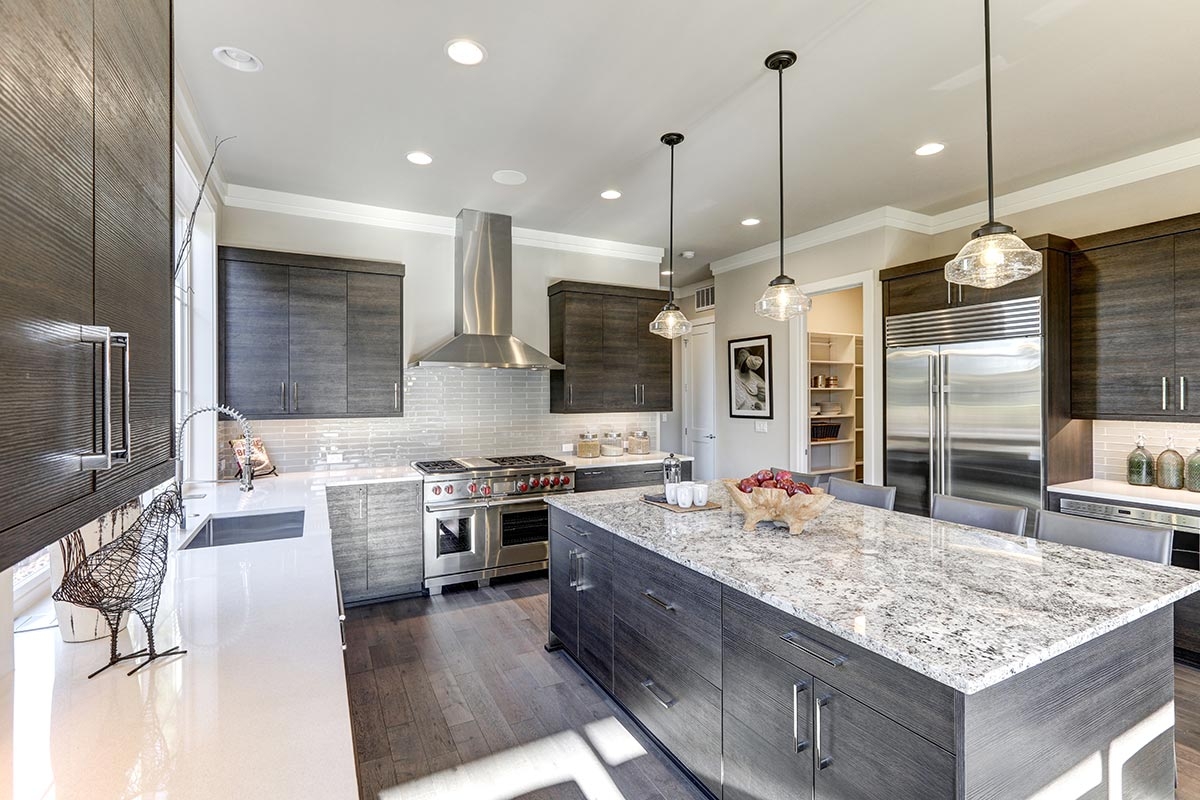
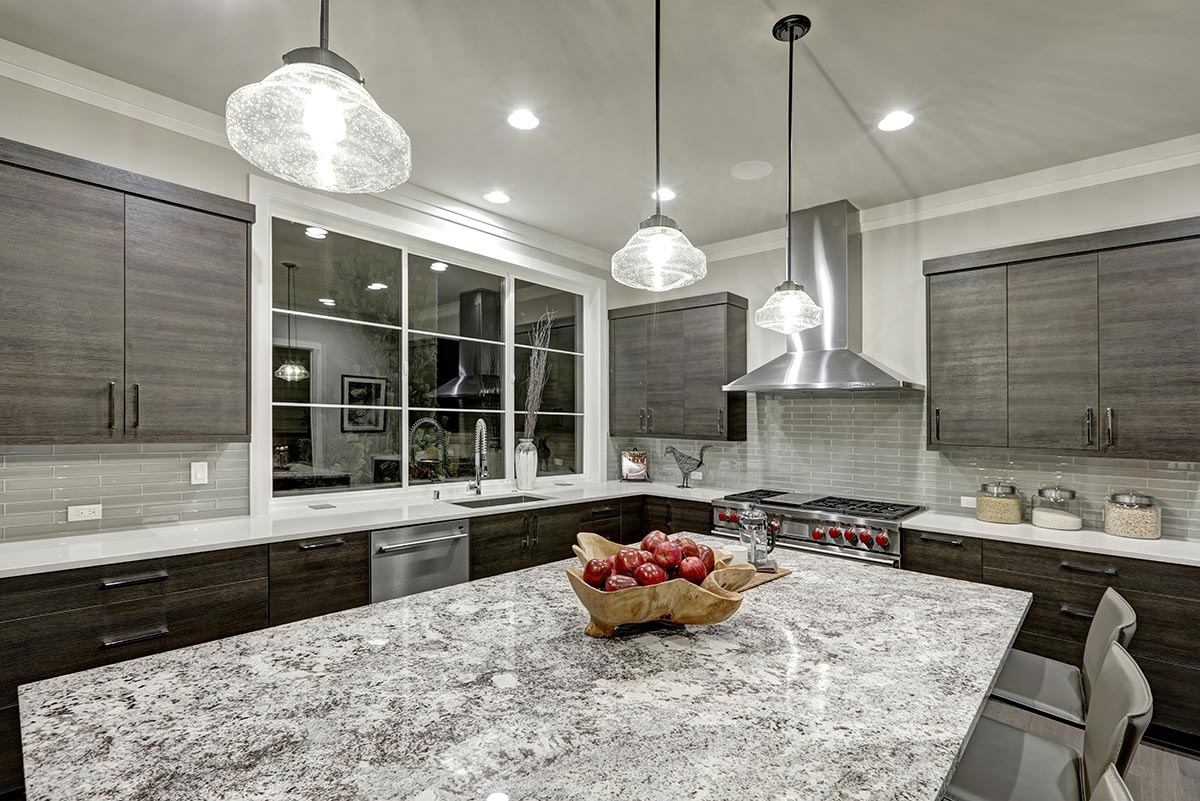
If the countertop has bold veins, strong color movement, or several contrasting tones, the backsplash should usually be simpler. If the countertop has a quiet, consistent appearance, the backsplash can carry more color, texture, or pattern.
Pair a Dramatic Countertop With a Simple Backsplash
Bold granite, quartzite, marble, and marble-inspired quartz already create plenty of visual movement. A simpler backsplash may include:
- Solid-color subway tile
- Large-format porcelain tile
- Soft neutral colors
- Low-contrast grout
- A matching full-height slab
Pair a Simple Countertop With a More Decorative Backsplash
Solid white quartz, lightly patterned quartz, or dark granite may pair well with herringbone patterns, handmade-look tile, colored ceramic tile, geometric shapes, and mosaics. The key is balance, because two bold surfaces compete for attention.
Match the Undertones, Not Just the Main Color
Two materials may appear to be the same color but still look wrong together because their undertones do not match.
- Warm undertones may include cream, beige, gold, brown, taupe, and warm white.
- Cool undertones may include crisp white, blue-gray, charcoal, silver, and cool gray.
A warm white backsplash may look yellow next to a cool white quartz countertop. Compare physical samples beside each other, because phone photos may not show the true undertones.
Pull a Color From the Countertop
A reliable way to coordinate a backsplash is to select a color that already appears in the countertop. For example, you might:
- Pull a soft gray from quartz veining
- Match cream tile to a granite background
- Select a darker color found within the slab
The backsplash does not need to be an exact match; a slightly lighter or darker version adds depth while still feeling connected.
Consider the Amount of Pattern in the Countertop
Highly patterned countertops work best with larger tiles, fewer grout lines, simple layouts, and low-contrast grout. Quiet countertops can support smaller tile, mosaics, herringbone layouts, and stronger grout contrast.
Coordinate Both Surfaces With the Cabinets
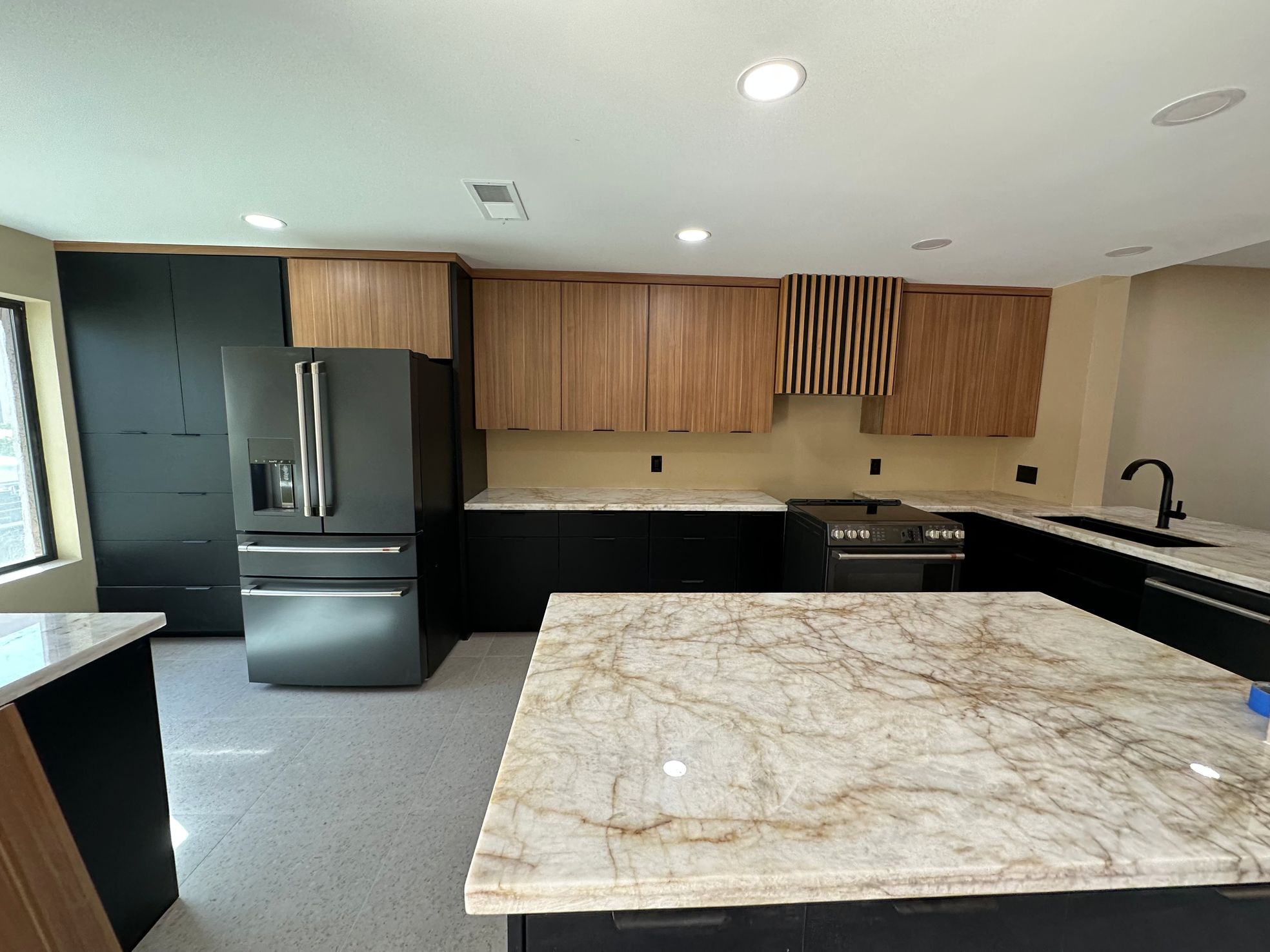
Bright white cabinets coordinate best with cool whites, clean grays, black, blue, or green accents, while creamy white cabinets work better with warmer stone and tile. Natural wood cabinets pair well with warm white, cream, beige, green, and earth-tone stone. Dark cabinets benefit from lighter countertops that prevent the kitchen from feeling too heavy.
Do Not Forget the Flooring
The backsplash does not need to match the flooring, but all major surfaces should feel connected. A kitchen with strongly patterned flooring may benefit from quieter countertops and backsplash materials, and the room should keep a consistent warm or cool color direction.
Compare Tile and Full-Height Slab Backsplashes
Tile Backsplashes
Tile provides a wide range of colors, textures, sizes, and price points, including ceramic, porcelain, glass, marble, and other natural stone. It can be installed between countertops and upper cabinets, behind the range, around a vent hood, or across a feature wall.
Full-Height Slab Backsplashes
A full-height slab backsplash continues granite, quartz, quartzite, or marble from the countertop up the wall, providing a continuous pattern, fewer grout lines, and easier cleaning. It requires careful planning around outlets, windows, ranges, vent hoods, seams, and vein direction.
Choose the Right Tile Size and Layout
Large-format tile creates fewer grout lines and works well with patterned countertops, while smaller mosaics add texture but may appear busy beside stone with strong movement. Common layouts include running bond, straight stack, vertical stack, herringbone, chevron, and hexagon. Straight layouts feel cleaner and more modern, and vertical tile makes the wall appear taller.
Select the Grout Color Carefully
Matching grout creates a quieter appearance and lets the tile blend together, which works well beside a dramatic countertop. Contrasting grout highlights the shape and layout of the tile but may compete with a heavily patterned countertop. Light grout also shows cooking residue more easily, especially behind a range.
Test Samples in Your Kitchen
Bring backsplash samples into the kitchen and place them vertically against the wall. Review them in morning light, bright afternoon sunlight, at night, and under cabinet lighting. Phoenix-area homes receive intense natural light, which may make some colors appear lighter or warmer during the day.
Consider Cleaning and Daily Use
Smooth ceramic, porcelain, glass, quartz, and polished stone are easier to wipe down, while deeply textured materials may collect grease or cooking residue. Natural stone tile may require sealing and should be cleaned with products made for stone.
Common Countertop and Backsplash Mistakes
- Selecting the backsplash before confirming the countertop
- Using two highly patterned surfaces together
- Ignoring warm and cool undertones
- Choosing materials from online photos only
- Choosing grout without testing it beside the tile
- Ignoring cleaning and maintenance needs
Create a Kitchen That Feels Connected
Choose the countertop first, select one main visual feature, coordinate the undertones, and compare every material with the cabinets and flooring.